The Eerie Allure of the Screaming Tunnel: Niagara Falls' Haunting Legend
3/15/20267 min read
Introduction to the Screaming Tunnel
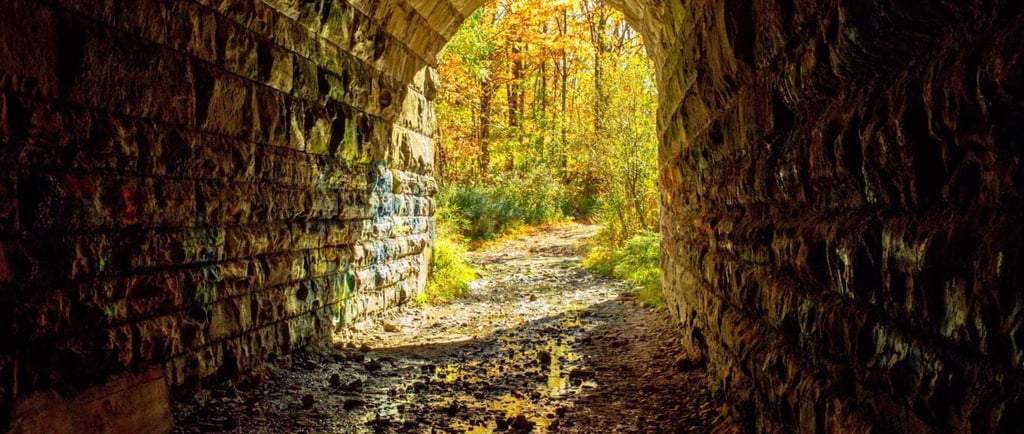
The Screaming Tunnel, often enveloped in local legend and eerie tales, is a notable attraction near Niagara Falls, situated in the vicinity of the historic town of Niagara-on-the-Lake, Ontario. This narrow, abandoned brick tunnel, which spans 120 feet, connects a railway line to the surrounding fields, exudes an atmosphere thick with mystery and intrigue. Originally constructed as a means to allow farmers to cross under the train tracks, the tunnel's dark history and ghostly reputation have transformed it into a site of fascination for both tourists and paranormal enthusiasts alike.
One of the most striking features of the Screaming Tunnel is its damp limestone walls that seem to exude a bleak ambience, especially during colder months when moisture accumulated increases the feeling of unease. The interior, devoid of natural light, is characterized by a pitch-black environment, which some claim gives rise to disconcerting sounds that resemble screams. This unsettling acoustical phenomenon is believed to have originated from the haunting tale of a young girl who met an untimely demise in the tunnel, eternally tying her fate to this chilling location.
The historical significance of the Screaming Tunnel is amplified by its proximity to the well-trodden paths of Niagara Falls, drawing both curious visitors and urban explorers. As an integral part of the surrounding landscape, it embodies the intersection of folklore and reality. While scientific explanations have attempted to demystify the sounds associated with the tunnel, the stories perpetuated by local lore continue to captivate those who dare to explore its dark depths.
This unique combination of historical intrigue and natural eeriness solidifies the Screaming Tunnel as a must-visit for those venturing into the Niagara area, ensuring that its legacy, both haunting and captivating, lives on.
Historical Background of the Tunnel
The Screaming Tunnel, located near Niagara Falls, has a history that traces back to its original construction in the early 1900s. Built as a drainage culvert for the Grand Trunk Railway, this architectural structure was primarily designed to manage water runoff safely and efficiently. As railroads flourished through the region, the necessity for robust infrastructure escalated, leading to the development of numerous tunnels, including this one.
Initially, the Screaming Tunnel functioned as a practical answer to an engineering challenge faced by the railway. It allowed for the diversion of excess water from the surrounding landscape, preventing flooding and ensuring the operational integrity of the railway tracks. Constructed from durable brick and set within a landscape marked by lush vegetation and the proximity of the renowned Niagara Falls, it exhibited utilitarian beauty alongside its structural purpose.
However, over the decades, the Screaming Tunnel transcended its original function, evolving into a site steeped in local legend and folklore. As stories began to emerge from the community, the tunnel was soon associated with eerie tales, including one involving a ghostly young girl who perished in a tragic fire. Her cries for help are said to reverberate within the tunnel, garnering the attention of both locals and tourists alike. This shift from a practical drainage system to a legendary site portrays how human stories can imbue physical spaces with meaning beyond their intended purpose.
As the years passed, the tunnel became a focal point for those intrigued by the paranormal, further solidifying its status as an intriguing and enigmatic landmark in the Niagara region. Today, what began as a simple infrastructure project has become a point of fascination, highlighting the rich tapestry of history and folklore that defines the area surrounding Niagara Falls.
The Legend of the Young Girl
The Screaming Tunnel, situated near Niagara Falls, is steeped in a haunting legend that captures the imaginations of both locals and visitors alike. At the center of this eerie tale is the story of a young girl who tragically lost her life within the confines of the tunnel, with various versions of her story contributing to the mystique of this location.
One prevalent account describes the girl as a victim of a terrible fire. It is said that she sought refuge in the tunnel to escape her burning home, but the flames ultimately consumed her life before she could find safety. The villagers claim that when the wind howls through the tunnel, her anguished screams can still be heard, echoing the horror of that fateful night. The sound, described as both piercing and sorrowful, adds an unsettling layer to the already eerie atmosphere of the area.
Another version of the legend suggests a more sinister turn of events. In this narrative, the young girl was not trapped in an accidental fire but fell victim to a domestic tragedy. Some assert that her father, fueled by rage, caused her demise within the tunnel’s dark confines. This interpretation not only enhances the legend's chilling nature but also reflects societal themes of domestic strife and its dire consequences. As such, the story of the girl has morphed into a cautionary tale, warning of the dangers that may lurk within our homes.
Regardless of the version told, the tale of the young girl in the Screaming Tunnel has become an integral part of the local folklore. Her spirit is said to roam the tunnel, creating an unshakeable connection between the haunting legend and the physical site, drawing in those who seek to uncover the truth behind this tragic story.
Rituals and Superstitions
One of the most intriguing aspects of the Screaming Tunnel is the annual ritual that many visitors choose to undertake. This custom involves entering the tunnel at precisely midnight and lighting a match in the center of the darkened passageway. Keen on uncovering the legends that surround the location, participants believe that this act may invoke the spirits that linger in the area. The chosen time—midnight—is significant, as it represents a threshold between the known and the unknown, heightening the likelihood of an otherworldly encounter.
According to numerous accounts, individuals who have attempted this ritual often report chilling experiences, most notably the sudden extinguishment of the match. Despite favorable environmental conditions—such as little to no wind—many claim that an unseen force snuffs out the flame almost immediately after it is lit. This mysterious occurrence feeds into the mythology surrounding the Screaming Tunnel, as it adds an element of unpredictability and fear to the already eerie atmosphere.
As the flame flickers and ultimately fades, participants claim to hear a piercing scream reverberate throughout the tunnel. This phenomenon is attributed to the spirit of a young girl who, according to local lore, tragically met her end in the tunnel after attempting to escape a fire. Those who have experienced the scream often describe it as a bone-chilling sound that stirs an unease deep within. The connection between the match and the haunting scream exemplifies the complex web of rituals, superstitions, and folklore surrounding Niagara Falls’ Screaming Tunnel.
Cultural Impact and Media Representation
The Screaming Tunnel has captivated the imagination of locals and tourists alike, becoming a significant element of Niagara Falls' folklore. The legend surrounding the tunnel, which tells the story of a young girl who was tragically burned to death within its walls, has permeated various media forms, thereby shaping its cultural significance. Beyond local tales and ghost stories, the Screaming Tunnel has found its way into the world of film, most notably in David Cronenberg's 1983 adaptation of Stephen King's novel, 'The Dead Zone.'
In this cinematic interpretation, the tunnel serves as a pivotal location, enhancing the eerie atmosphere of the narrative. The film's depiction has had a profound impact on public perception, elevating the status of the Screaming Tunnel from a mere local myth to an iconic landmark recognized beyond regional borders. As a direct consequence, the tunnel has become an attraction for those intrigued by its haunting story, further solidifying its place within Niagara Falls’ cultural landscape.
Moreover, the Screaming Tunnel has inspired a wide array of artistic interpretations, ranging from literature to visual arts. Its enigmatic nature has made it a popular subject for photography, with many adventurers sharing their experiences online, sparking interest and curiosity among new visitors. This representation in digital media plays a significant role in shaping contemporary understandings of the site and augments its appeal as a tourist destination.
As the Screaming Tunnel continues to be referenced in various forms of media, its legend evolves, capturing the essence of folklore's adaptability through time. This phenomenon reflects a broader cultural fascination with the macabre and the supernatural, demonstrating how such narratives can influence tourism and contribute to local economies. The intertwining of storytelling, media representation, and tourism underlines the tunnel’s allure and ensures its legacy as a haunting symbol within Niagara Falls.
Visiting the Screaming Tunnel Today
The Screaming Tunnel, an infamous site located near Niagara Falls, attracts thrill-seekers and paranormal enthusiasts alike. When planning your visit, it is important to consider some practical aspects to ensure a safe and enjoyable experience. The tunnel itself is situated just off the side of the Niagara Parkway, making it easily accessible for tourists who are exploring the surrounding area.
As you approach the Screaming Tunnel, expect a narrow, brick-lined passageway that is often enveloped in an aura of mystery. Be prepared for a somewhat damp and chilly environment regardless of the season, as the tunnel has a reputation for housing moisture. It is advisable to wear appropriate footwear since the ground can be uneven and slippery due to standing water.
While the legend surrounding the tunnel piques curiosity, safety should remain a priority. Visitors are encouraged to explore in groups rather than alone, especially given the remote nature of the location. Additionally, steer clear of the edges of the tunnel and nearby vegetation where wildlife might be present. If you plan to take pictures, be cautious of your surroundings and watch for traffic, as roads can be busy during peak tourist seasons.
Niagara Falls offers many attractions beyond the Screaming Tunnel. Consider visiting the impressive waterfalls themselves, where one can find numerous observation points for breathtaking views. For those interested in more historical narratives, the nearby sites and museums can enrich your trip to this haunting landmark. Incorporating these attractions into your itinerary can provide a well-rounded exploration of the unique blend of nature and legend that Niagara Falls represents.
Conclusion: The Allure of the Unknown
The Screaming Tunnel, like many haunted locations, captivates the imagination of those who hear its story. Its eerie reputation stems from a tragic past, and whispers of ghostly encounters invoke a sense of curiosity and trepidation. Haunted sites have an enduring appeal, often resulting from the intersection of real-life histories and the supernatural, allowing visitors to experience a palpable sense of mystery. This innate human fascination with fear and the unknown draws many individuals to explore such legends.
Legends such as those linked to the Screaming Tunnel offer an escape from the mundane, providing thrill-seekers with stories that evoke fear and excitement. The allure of haunted places serves as a reminder of our own mortality and the unanswered questions about what lies beyond. Folklore thrives within cultural contexts, as each generation passes these tales down, elongating their stories and enticing new explorers. Moreover, the rise of social media has facilitated the spread of these legends, allowing modern paranormal enthusiasts to share their experiences and stoke the fires of curiosity.
Furthermore, the act of confronting fears, whether directly or indirectly, can be an exhilarating experience. Visiting locations like the Screaming Tunnel allows individuals to engage in a form of collective storytelling. As one ventures through these haunted grounds, they contribute to a larger narrative, intertwining their encounters with a vibrant tapestry of history, myth, and communal experience. Ultimately, the Screaming Tunnel exemplifies how tales of the supernatural tap into something deeply ingrained within humanity—the desire to explore the extraordinary aspects of existence, seeking a connection to the past while facing our intrinsic fears.